
Navigating the Dubai Property Market: A Investor’s Guide
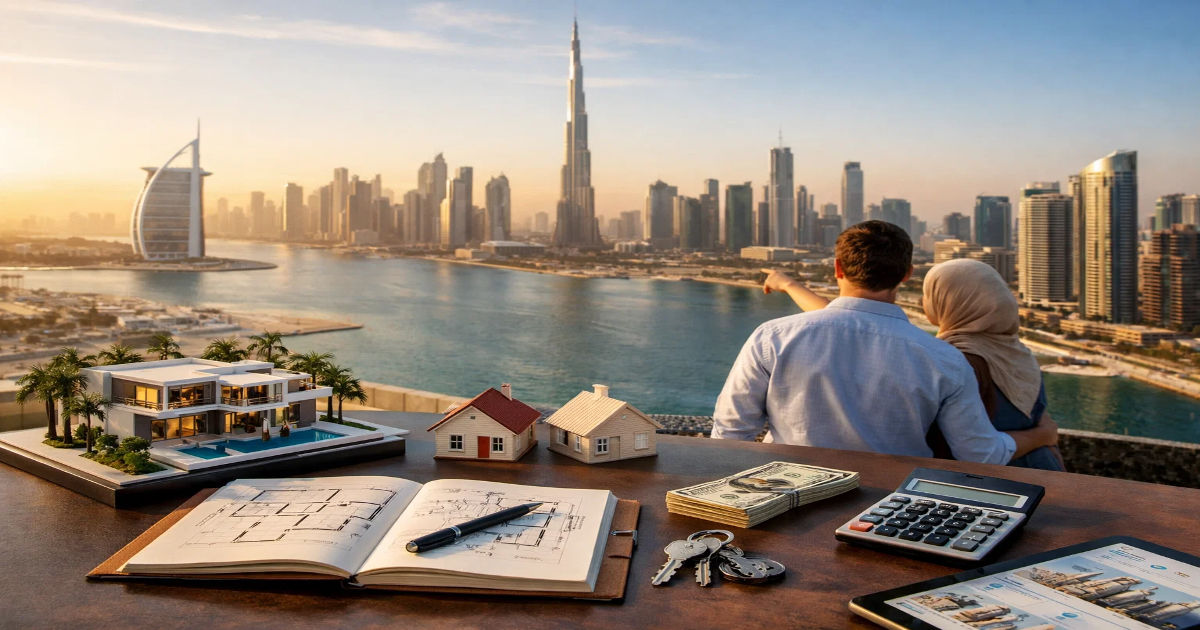
Dubai’s property market is globally recognized for its resilience, innovation, and consistent growth drawing institutional and private investors eager to capitalize on robust real estate trends. Backed by authoritative data and expert perspectives, Dubai remains at the forefront of property investment destinations, consistently ranking among the top cities for lifestyle and business. As of 2026, the emirate’s property sector is supported by a diverse economic base, government-led initiatives, and a strategic push towards sustainable urban development.
Whether your focus is capital appreciation, stable rental yields, or portfolio diversification, understanding current trends and leveraging real-time insights is essential for strategic decision-making. This guide grounded in market-leading reports from the Dubai Land Department (DLD), Knight Frank, and JLL will empower you to make informed investment choices.
Current Market Trends and Statistics
The Dubai property market enters 2026 on the back of robust, data-backed performance. Official DLD statistics show over 203,000 property transactions in 2025, valued at AED 547 billion, cementing Dubai’s position as a global real estate leader (DLD Annual Report 2025). This is not momentum alone; it is structural demand driven by population growth and diversified economics.
Key real estate trends and data to note:
- Average Price Growth: 12% year-on-year, taking average values to AED 1,673 per sq ft (source: Knight Frank, 2026 Dubai Market Review).
- Mortgage-Backed Transactions: Over 52% of all 2025 transactions; a clear sign of end-user and investor confidence.
- Liquidity: Studios, one-bedroom, and two-bedroom units accounted for 77% of transactions, predominantly in the AED 500,000–3M range.
- Rental Yields: Dubai remains globally competitive, offering 7-8% average rental yields for apartments, surpassing cities like London, Singapore, and Hong Kong (JLL MENA Real Estate Overview 2026).
The prevalence of mortgage-led purchases is a testament to buyers’ willingness to hold assets through cycles, pivoting away from speculative gains toward building sustainable wealth.
Investment Opportunities in Dubai
Dubai property investment offers a spectrum of opportunities, tailored for both seasoned investors and newcomers.
- Buy-to-Let Apartments: Known for consistent rental yields, particularly in prime community developments. Recent data confirms average yields of 7–8%, rising up to 12% for quality short-let/Airbnb units ideal for those seeking passive income.
- Off-Plan Properties: Strongly regulated by DLD, off-plan properties are pivotal to Dubai’s growth story. Investors benefit from flexible payment plans, early entry pricing, and DLD-protected escrow accounts a safeguard unique to this market segment.
- Luxury and Waterfront Real Estate: Luxury villas and branded residences in areas like Palm Jumeirah and Downtown have seen capital appreciation of up to 30% over 2023–2025, supported by Knight Frank’s latest figures.
- Commercial Real Estate: With Dubai’s growing population (over 17,000 new arrivals monthly; Dubai Statistics Center, 2026), demand for commercial and mixed-use space continues to rise, driven by economic diversification and SME growth.
Key Drivers of Market Growth
Dubai’s dynamic real estate trends are fueled by clear macroeconomic drivers:
- Population Expansion: Crossing the 4 million resident mark in 2025, Dubai’s population is projected to surpass 10 million by 2040 (Dubai Vision 2040), underpinning long-term housing and rental demand.
- Visionary Urban Planning: Initiatives like the Dubai 2040 Urban Master Plan and the D33 Economic Agenda will double the city’s GDP by 2033, with huge investments in transport, tourism, and infrastructure.
- Tourism Boom: Over 10 million international visitors arrived in H1 2025 alone, driving short-let and holiday home demand (source: Dubai Tourism Board).
- Regulatory Environment: 100% foreign ownership, no capital gains tax or annual property tax, and investor-centric legal protections.
- Technology and Smart City Initiatives: Deployment of AI and IoT tools to optimize property management and investment analytics.
Challenges in the Dubai Property Market
Despite its strengths, the Dubai property market is not without challenges:
- Segment-Specific Oversupply: The potential oversupply in mid-market apartments is mitigated by robust population growth and absorption in top-performing freehold areas (Knight Frank, 2026).
- Price Moderation: The transition from rapid acceleration to moderate, sustainable growth stabilizes the market but demands selectivity from investors.
- Macroeconomic Influences: Global financial market shifts, interest rate changes, and regional geopolitics may affect buyer sentiment and financing conditions.
Mitigation tips:
- Focus on prime locations with established infrastructure
- Analyze current real estate trends and absorption rates
- Diversify across asset types residential, commercial, and short-term lets
Regulatory Framework and Investor Protections
Dubai has established itself as a global benchmark for regulatory clarity and investor protection.
- Dubai Land Department (DLD) and RERA: These authorities ensure full transparency in every transaction, with strict penalties for non-compliance.
- Escrow Accounts: All off-plan property investments must use DLD-regulated escrow accounts, protecting every stage payment until project completion.
- 100% Foreign Ownership: Available in designated freehold zones for all nationalities, with clear title deed registration and inheritance rights.
- Robust Dispute Resolution: Dedicated property courts and legal frameworks favor investors’ security and dispute resolution efficiency.
Popular Areas for Property Investment
Dubai’s investment hotspots consistently deliver superior rental yields and capital appreciation. Here’s a snapshot of high-performing communities (Knight Frank, JLL, Bayut & Dubizzle 2026):
| Area | Property Type Focus | Key Appeal |
| Dubai Marina | Apartments, Penthouses | Waterfront living, mature community, transport access |
| Downtown Dubai | Luxury Apartments, Branded Residences | Central location, cultural landmarks, premium yields |
| Palm Jumeirah | Villas, Apartments, Townhouses | Iconic lifestyle, strong capital appreciation |
| Jumeirah Village Circle (JVC) | Apartments, Townhouses | Affordable luxury, stable rental demand |
| Business Bay | Apartments, Offices | Business hub, connectivity, canal-side living |
Investors should leverage real estate trends, yields, and forthcoming projects when selecting assets for optimal market performance.
Future Outlook for Dubai Real Estate
Dubai property market outlook to 2026 and beyond remains highly favorable according to sources like JLL and Knight Frank. Sustainable, income-centric growth is the new market norm. The government’s commitment to strategic infrastructure, a well-regulated environment, and ongoing demographic expansion will continue to fuel demand and underpin property values.
Growth forecast highlights:
- Continued population inflows
- Further GDP and employment growth via Dubai’s D33 Agenda
- Expanding foreign direct investment and more global property investors seeking Dubai’s high-yield, tax-efficient market
For property investors seeking long-term stability, yield optimization, and capital appreciation, Dubai offers a transparent, data-driven environment supported by global standards of governance and innovation.
FAQs About Investing in Dubai Real Estate
What is the average rental yield in Dubai property investment?
With yields averaging 7–8% for apartments and up to 12% for premium short-term lets, Dubai surpasses major international cities. Data from JLL and Bayut confirm these returns for 2025–2026.
Are off-plan properties safe for investment?
Yes. All off-plan investments must be facilitated through DLD-regulated escrow accounts, ensuring investor funds are secure until independently verified construction milestones are met. This structure is an international benchmark for safety.
Can foreign investors hold freehold property in Dubai?
Absolutely. Dubai allows 100% foreign ownership in designated zones, offering clear title registration, full resale rights, and inheritance protections.
What are the most important real estate trends to monitor?
Monitor population growth, infrastructure rollouts (like the Dubai 2040 Plan), major project launches, and shifts toward mortgage financing trends. These real estate trends directly affect rental yields and capital appreciation prospects.
Is now a good time to invest in Dubai property?
Current price growth moderation, strong rental yields, and a robust government vision make this an optimal time for strategic, long-term investment.
Ready to maximize yields and leverage Dubai’s dynamic real estate market? Consult with a trusted advisor or connect with our local experts to secure your next investment. For tailored advice, real-time data, and in-depth guidance, reach out today and optimize your Dubai property investment journey.