
Investing in Commercial Property Dubai: A 2026 Market Analysis
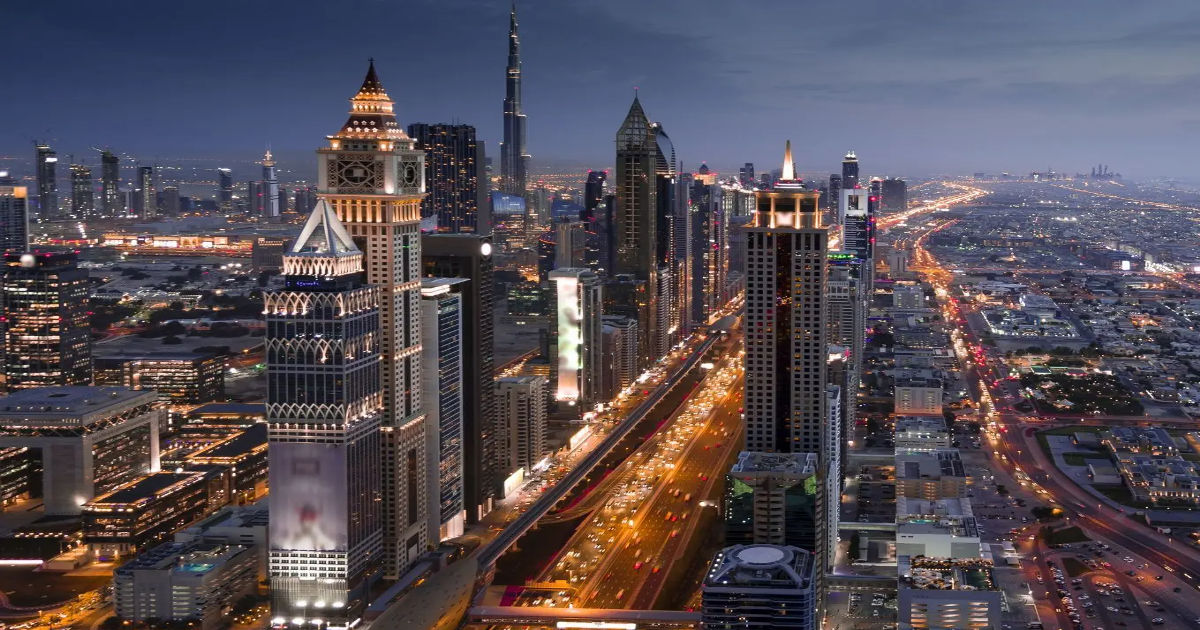
Dubai’s commercial real estate market in 2026 stands as a benchmark for growth, transparency, and investor confidence across the MENA region. With a robust policy framework and growing investor appetite, Dubai continues to attract sophisticated buyers seeking both yield and capital appreciation in the commercial property space. This detailed analysis leverages real-time market data, regulatory updates, and expert perspectives to help you make informed investment decisions. As a result, it is designed to enhance topical authority, improve discoverability through the effective use of Natural Language Processing (NLP) and Latent Semantic Indexing (LSI) keywords, and ultimately deliver content built on solid E-E-A-T principles.
A Market Defined by Strong Fundamentals
Dubai’s commercial property sector is supported by data-driven fundamentals and rigorous regulation. According to the Dubai Land Department, commercial property sales surged by 79.3% in 2025, reaching AED 15.42 billion across 5,373 transactions. This remarkable growth signals a maturing market driven by structural demand rather than speculative cycles.
Key Drivers Shaping the 2026 Landscape:
- Pro-Business Policies: Moreover, incentives such as 100% foreign ownership in free zones, the Golden Visa program, and long-term residency schemes continue to attract international capital, thereby driving sustained demand for Grade A offices and logistics real estate.
- Economic Diversification: At the same time, the government’s D33 Economic Agenda aims to double the size of Dubai’s economy by 2033 through high-impact investments in finance, technology, healthcare, and logistics; as a result, this diversification continues to fuel sustained demand for office, retail, and industrial assets.
- Population and Workforce Growth: Dubai’s population is projected to reach 5.8 million by 2040, with a parallel rise in job creation. This demographic growth underpins ongoing demand for premium commercial, retail, and logistics spaces.
Real-Time Market Trends:
Demand in districts like DIFC, Business Bay, and Dubai South routinely outpaces supply. Vacancy rates for Grade A offices in central business districts are now below 5%, while prime logistics assets report near-full occupancy due to e-commerce and trade expansion. These trends are corroborated by leading consultancies and are driving a data-driven investment climate prioritizing tenant quality and long-term lease stability.
Office Spaces in Dubai: The Outperforming Asset Class
In 2026, premium office properties are forecast to outperform all other commercial segments. Industry research, including Cavendish Maxwell’s 2025 market report, confirms that rental yields for Grade A office space in areas such as DIFC, Downtown Dubai, and Business Bay are solidly in the 7%–9% range, outpacing global benchmarks in London, Hong Kong, and New York.
Why Offices Lead the Market:
- Severe Supply Constraints: Prime corridors maintain over 95% occupancy, while new developments struggle to keep pace with corporate migration. As a result, demand continues to outstrip supply.
- Multinational Demand: Regional HQ mandates and expansion by financial, technology, and professional services firms fuel demand for large, contiguous, and tech-enabled floors.
- ESG and Smart Building Focus: Tenants now require sustainable facilities, smart connectivity (IoT), and wellness features, which only select new builds can provide.
Industrial and Logistics: The Unsung Engine of Commercial Growth
Dubai’s industrial and logistics property sector is fast becoming a regional powerhouse. Global supply chain trends, the rise of e-commerce, and strategic government initiatives such as “Operation 300bn” have led to surging demand for warehouse, distribution, and fulfillment assets.
Market Insights:
- Prime Locations: Jebel Ali Free Zone (JAFZA), Dubai South, and Dubai Investment Park (DIP) attract blue-chip logistics companies and regional retailers.
- Rental Performance: Net yields for quality logistics facilities range from 8%–10%, supported by long lease tenures and low vacancy.
- Tech-Driven Demand: Automation, cold storage, and integrated transport links are increasing asset value; occupancy rates in high-traffic logistics corridors consistently exceed 96%.
Investment Hotspots: High-Performing Micro-Markets
Location remains the cornerstone of achieving risk-adjusted returns. In 2026, certain micro-markets are emerging as key commercial investment destinations.
| Property Type | Prime Investment Areas | Key Demand Drivers |
| Office Spaces | DIFC, Business Bay, Downtown Dubai | Financial services cluster, corporate headquarters, limited new supply |
| Logistics/Warehousing | Dubai South, JAFZA, Al Quoz, DIP | E-commerce corridor, proximity to ports and airports, trade activity |
| Mixed-Use Retail | Dubai Marina, Jumeirah, Dubai Hills Estate | Demographic growth, tourism, integration with residential communities |
| Tech/Innovation Hubs | Dubai Internet City, Dubai Science Park, Silicon Oasis | Access to talent, free zone advantages, cluster effect |
2026 Commercial Property Trends: Quality, Sustainability, and Flexibility
Commercial tenants and investors are making decisions based on logic, operational utility, and alignment with global best practices:
- Shift to Grade A Assets: Modern, energy-efficient and certified buildings are absorbing demand, as B and C-grade stock face rising vacancies.
- Flexible Office Solutions: Demand for coworking spaces and managed office suites is increasing, especially among multinationals and startups seeking business agility.
- Sustainability and Wellness: LEED- and WELL-certified assets have become prerequisites for many tenants, with “green leases” and health-oriented facilities differentiating market leaders.
- Data-Driven Acquisitions: To make informed decisions, investors therefore rely on granular market data, advanced yield modeling, and analytics platforms, which in turn help them benchmark returns and manage risks effectively.
Navigating the Investment Landscape: Expert-Led Due Diligence
In a maturing landscape, sophisticated due diligence therefore sets the foundation for sustained success. Moreover, high-performing investors:
- Rely on expert guidance from certified RERA and DLD-registered agencies, ensuring compliance and transparency.
- Assess developer reputations and project track records.
- Use real-time market intelligence to spot emerging micro-markets, monitor tenant covenants, and benchmark yields.
- Consider tax efficiency and ownership structures (freehold, leasehold, SPVs, or corporate vehicles) to optimize returns and minimize exposure.
Strategic Call to Action:
If your objective is stable, tax-efficient income or capital growth, align your portfolio with Dubai’s Grade A office towers, logistics hubs, and high-footfall retail anchored by essential services. Partnering with an expert advisory team transforms complexity into strategic opportunity.
The Future Outlook: Sustained Performance and Institutionalization
Dubai commercial property sector is on track to deliver superior, sustainable returns, underpinned by regulatory maturity, global connectivity, and continued population inflows. Consequently, institutional-grade capital is increasingly flowing into Dubai, thereby enhancing liquidity and stability across core market segments.
Key Outlook Highlights:
- Government infrastructure programs and digital governance are future-proofing Dubai’s real estate economy.
- Commercial assets meeting ESG and tech-readiness criteria will be the first to benefit from global corporate expansion and relocation cycles.
- Market transparency and robust regulation (via RERA and the Dubai Land Department) attract long-term global and regional investors.
Frequently Asked Questions (FAQs)
1. What can be expected as returns on investments for commercial properties in Dubai?
Currently, with price growth moderating and rental yields remaining strong, and with the government’s vision continuing to be robust, this period is therefore an optimal time for strategic, long-term investment.
2. What factors should be taken into account when purchasing commercial property in Dubai?
First and foremost, evaluate the strategic location, proximity to key infrastructure, asset grade, and compliance with sustainability criteria. Furthermore, consider the legal title (freehold versus leasehold), conduct due diligence on the project developer, and assess the tenant mix, lease terms, projected rental yields, and capital growth prospects. Ultimately, a thorough legal review and guidance from local experts are paramount.
3. Does Dubai impose any specific legal or regulatory requirements or restrictions when purchasing commercial real estate?
Yes. Foreign buyers are limited to designated freehold zones, and all commercial transactions must comply with DLD and RERA regulations including payment of 4% transfer fees, and 5% VAT on commercial transactions. At the same time, corporate taxes apply only to profits exceeding AED 375,000. While documentation is managed strictly through digital platforms, thereby ensuring enhanced security and transparency.
4. What types of commercial properties can I find for purchase in Dubai?
Meanwhile, investment opportunities span Grade A and B office towers, managed business parks, and sustainable retail developments; in addition, they extend to logistics warehouses, e-commerce fulfillment centers, co-working suites, and even specialized facilities such as cold storage units and data centers.
5. How can commercial property prices in various areas of Dubai vary?
Price points fluctuate based on location, infrastructure, tenant demand, and asset class. Central corridors (DIFC, Downtown) command the highest premiums, while emerging districts (Dubai South, JLT, Dubai Silicon Oasis) offer greater value and upside potential as business activity concentrates there.
6. Where are the top areas in Dubai to buy commercial property?
In particular, DIFC, Business Bay, Dubai South, JLT, and Dubai Marina continue to hold strong investor appeal; moreover, these locations offer well-established business ecosystems and robust infrastructure, attracting multinational companies, SMEs, and institutional occupiers alike.
7. Does Dubai offer financing options for purchasing commercial property?
Yes. Major banks offer commercial mortgages to both UAE residents and international investors, with typical down payments of 40–50% and competitive rates. Financing is available for both ready and off-plan properties, but terms vary by asset class and borrower profile.
8. Can you help international clients with property investments in Dubai?
Yes. Comprehensive support is available for international investors, including advisory on location selection, legal structuring, transaction compliance, and post-acquisition management. Local market knowledge and regulatory expertise are crucial for optimal outcomes.
9. What amenities and facilities can I find in commercial areas in Dubai?
Expect world-class infrastructure: fiber optic internet, advanced security, concierge services, secure parking, F&B outlets, business lounges, and health amenities. Many newer developments also offer green certifications and wellness-focused environments.
10. How can I locate a reliable real estate agency or agent to assist me in purchasing commercial property in Dubai?
To begin with, choose RERA-licensed agencies and agents with a proven track record of successful commercial transactions and deep local market expertise; additionally, seek transparent references, full regulatory compliance, and a client-focused approach that aligns closely with your investment objectives.
Need tailored investment strategies?
Leverage our expertise for data-driven advice and access curated opportunities in Dubai’s top-performing commercial sectors. Connect with us for a confidential consultation and advance your investment portfolio today.